- MLA Joe Ceci Arts and Culture Newsletter
- Posts
- Artist Friendly Societies


Shadow Minister for Arts and Culture
I have had the honour of being the Shadow Minister of Arts and Culture for the Alberta NDP Caucus since the summer of 2023. In the time between then and now, I’ve had the privilege of meeting artists, creators and many, many arts and cultural organizations, both large and small, across Alberta (think Alberta Ballet, Southern Alberta Art Gallery, Alcove Centre for the Arts, Rozsa Foundation, musicians, film studios, actors etc.).
I’ve always asked those I’m meeting with for ideas of how to improve and grow Alberta’s “cultural ecosystem”. In many meetings I receive immediate feedback and suggestions. My Private Members Bill 211 Arts and Creative Economy Advisory Council Act (2024) was developed from just such early meetings in this Shadow Ministry portfolio.
And then there’s Kirby Sewell – a longtime Calgary-based blues and soul singer - who took my request for suggestions to another level. His response was a detailed and thoughtful essay, with accompanying images no less. In his words, the images “match the language, so people get the concepts quickly/visually”.
In the spirit of soliciting feedback from Albertans engaged across the creative spectrum, I provide Kirby’s ideas (except for the title – he used the word ‘precepts’ which I changed to ‘requirements’).
Take a read, think about the ideas Kirby presents and give me your feedback. I hope you enjoy this thought exercise as much as I did. Many thanks to Kirby.
7 Requirements For Artist Friendly Societies

1. Providing artists with affordable creative spaces activates culture and strengthens communities.
When you give an artist space—whether it’s a room, a stage, or a studio—you’re not just giving them a place to work, you’re giving them the freedom to dream. And dreams, those dreams can change the world. Creativity thrives in environments that support it. Give artists the space, and communities will feel the ripple effects—culture starts to buzz, and before you know it, things get more interesting, more alive.

2. Access to affordable housing is fundamental to fostering artistic creativity in society.
It’s hard to create art when you’re in constant struggle for the basic necessities of life in a highly inflationary economy. At the end of the day, artists are human beings. An Artist has to meet their basic needs before they can transcend them. If society wants artists to really do what they’re capable of, you have to give them stability. Because creativity, in its purest form, is a leap into the unknown—and that leap is a lot easier to make when you’re not falling from too high up.

3. An education robust with innovative Arts programming enriches society and preserves culture.
Art in education—it’s the soil where everything else grows. You cut out the arts, and you’re starving the future of imagination. Consider this: if kids don’t get exposed to music, to painting, to storytelling early on, how do we expect them to understand themselves, let alone the world around them? An education that values creativity builds thinkers, not just workers. That’s what keeps a society dynamic—keeps it from going stale.

4. A progressive society enacts laws and policies that support and enhance its culture, with governments monitoring and nurturing a fair arts-based economy.
A lot of people don’t think about how fragile the arts are. It looks glamorous, but most artists are hanging by a thread. A society that values its culture has to protect it—put laws in place that keep the scales from tipping too far toward commerce and away from creativity. It’s about finding a balance where artists can survive—and even thrive—without getting chewed up by the machinery of economics.

5. Integrating arts and live entertainment in community planning allows citizens to shape their cultural landscape.
When you think about the places that really stay with you—the cities, the neighbourhoods—they’ve got art running through them, like veins. You can’t separate the two. Art is what gives a place its character, its soul. And when people are a part of that—when they see performances, murals, concerts—it changes them. They start to take ownership of their culture. That’s the kind of connection we need to nurture, the kind that sticks.

6. A society attuned to the arts leverages technology to engage public support for homegrown cultural industries.
Technology—it’s a tool. And like any tool, it can either disconnect us or bring us closer together. In the right hands, it amplifies art, making it possible for voices that would’ve been silenced to be heard, for stories to reach places they never could before. A society that knows how to use this power, that finds a way to channel it into supporting its artists, its own cultural identity—that’s where the magic happens.
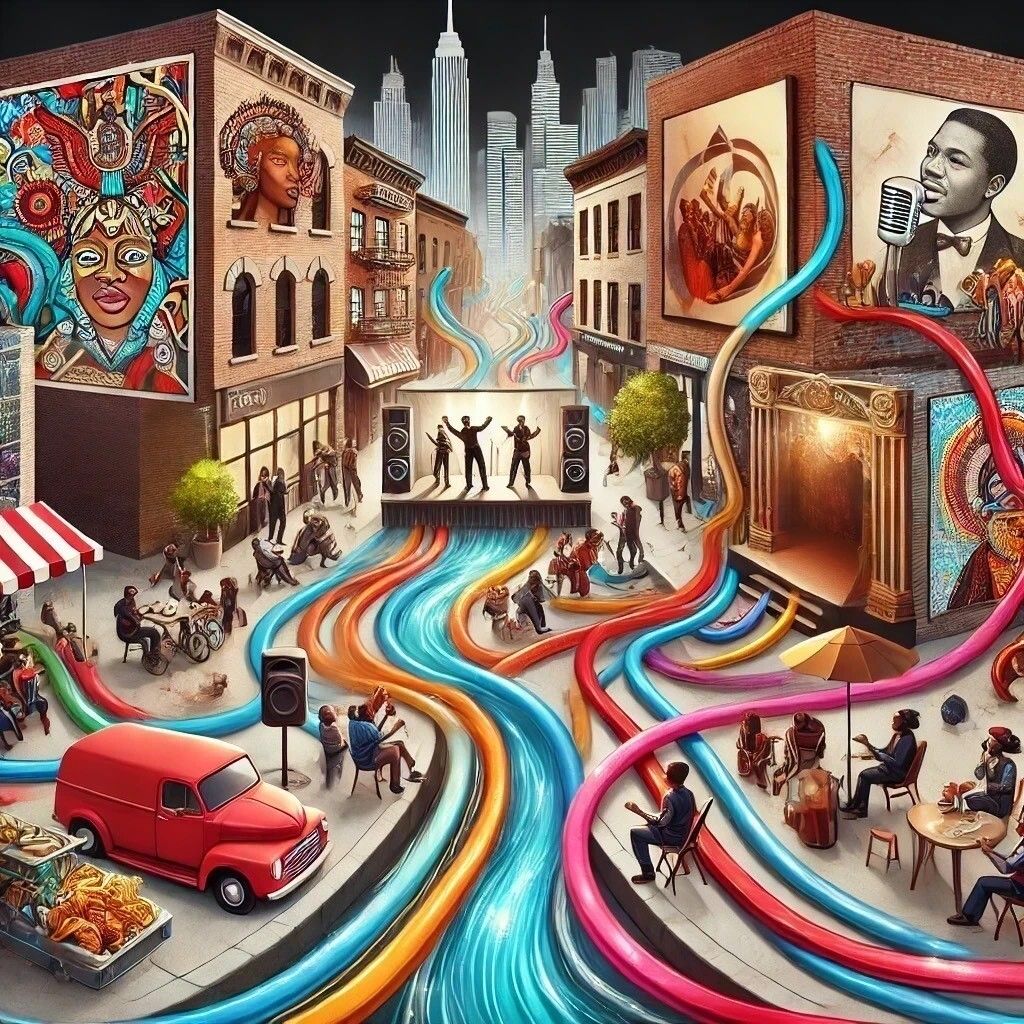
7. Access to tailored professional development and mental health services leads to a healthy Arts community transforming the well-being of society.
Let’s face it—being an artist is hard. You’re digging into the deepest parts of yourself, putting it out there for the world to see. That takes a toll. If we want artists to keep pushing, to keep giving us the work that challenges and inspires us, we have to take care of them. That means professional support, sure, but also mental health services. When we support the well-being of our artists, they transform that care into something that feeds back into the culture, into all of us.
Legislative Session
As we approach the start of the fall sitting of the Legislature, I welcome your feedback on both my Private Members Bill and the above concepts. Please respond to this email, or you can reach out to my office at [email protected] or 403-244-7737.
I look forward to connecting with you.
Joe